Wedding Planner vs. Wedding Coordinator: What’s the Real Difference and which one do you need?
June 25, 2026
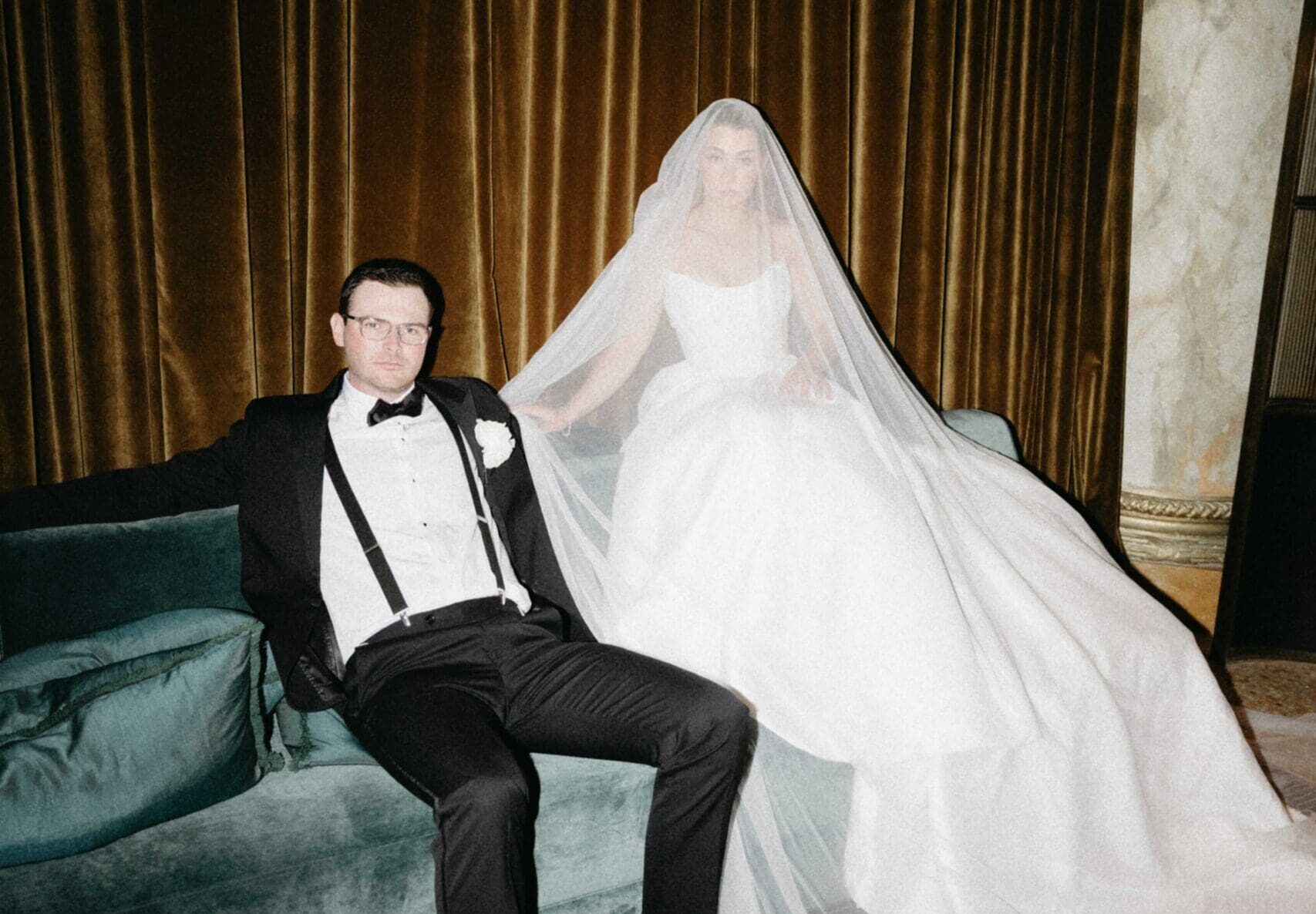
Let’s clear up one of the biggest misconceptions in the wedding world:
A wedding planner and a wedding coordinator are not the same thing.
The wedding industry doesn’t make this easy, the terms get tossed around as if they are interchangeable and if you’re newly engaged, it’s easy to assume they’re just different names for the same role. As a wedding planner, I often meet couples who assume they’re the same thing—until they start diving into vendor meetings, budget spreadsheets, and timeline logistics.
But the truth? The difference can have a huge impact on your planning experience. So let’s break it down!
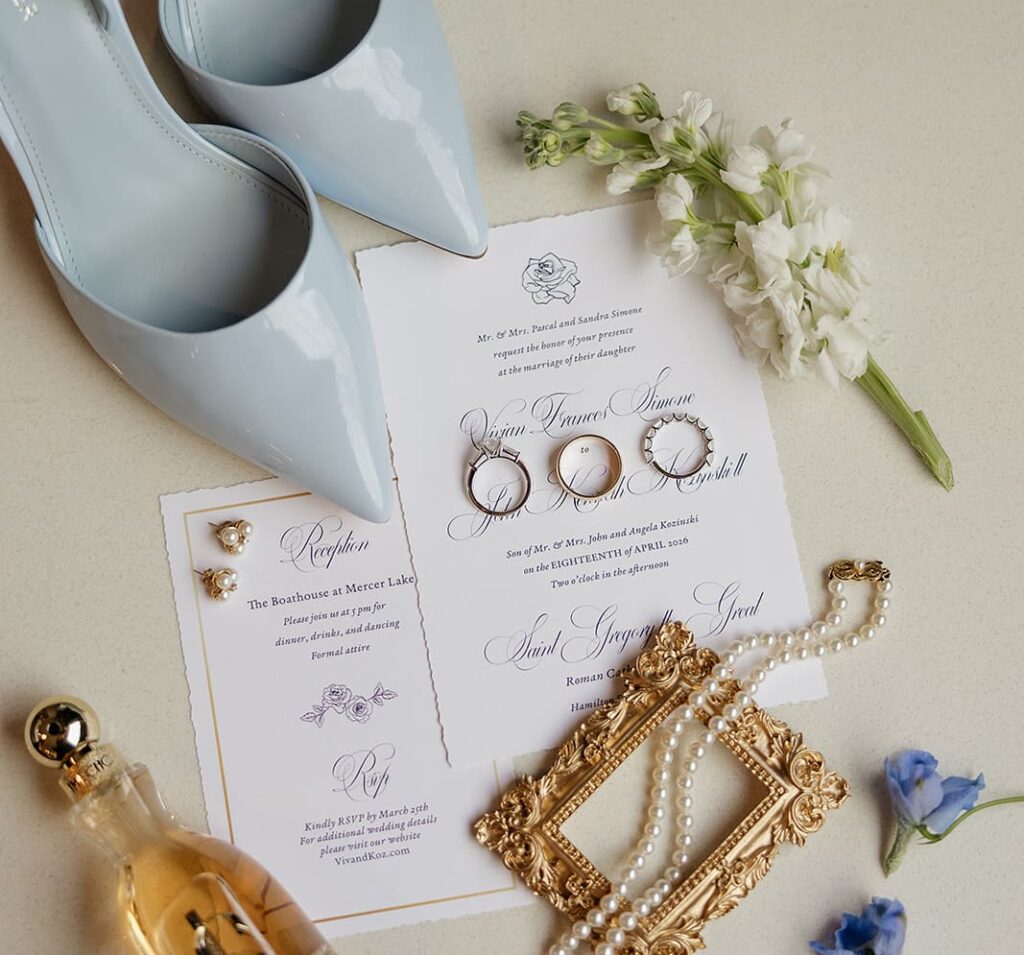
What Does a Wedding Planner Do?
Think of a wedding planner as your partner throughout the entire planning journey. We are your guide, your advocate, your strategist, a project manager, and after a while, your emotional support person.
We’re there long before you’re finalizing timelines and seating charts. We’re helping you navigate decisions, avoid common pitfalls, and keep the entire process moving forward without turning wedding planning into a second full-time job.
A wedding planner typically helps with:
- Budget projections and management
- Full vendor sourcing and booking
- Contract review and negotiation
- Timeline development
- Design and guest experience planning (some planners outsource their design work)
- Logistics and organization (rentals, guest experience)
- Troubleshooting issues before they become problems (My couples know nothing about 99% of the problems I fix for them)
- Vendor communication and coordination
- Wedding day management
My goal as a planner isn’t just to help you create a beautiful wedding. nit’s to make sure you actually enjoy the planning process, too. One of my favorite lines to share with couples in my consult calls is “Weddings are not just about the destination, you’re supposed to enjoy the journey too.”
In short, we help you figure out the what, the when, and the how.
And sometimes, we’re also the person talking you off the ledge after you’ve looked at 47 different linen options and suddenly can’t remember your own favorite color.
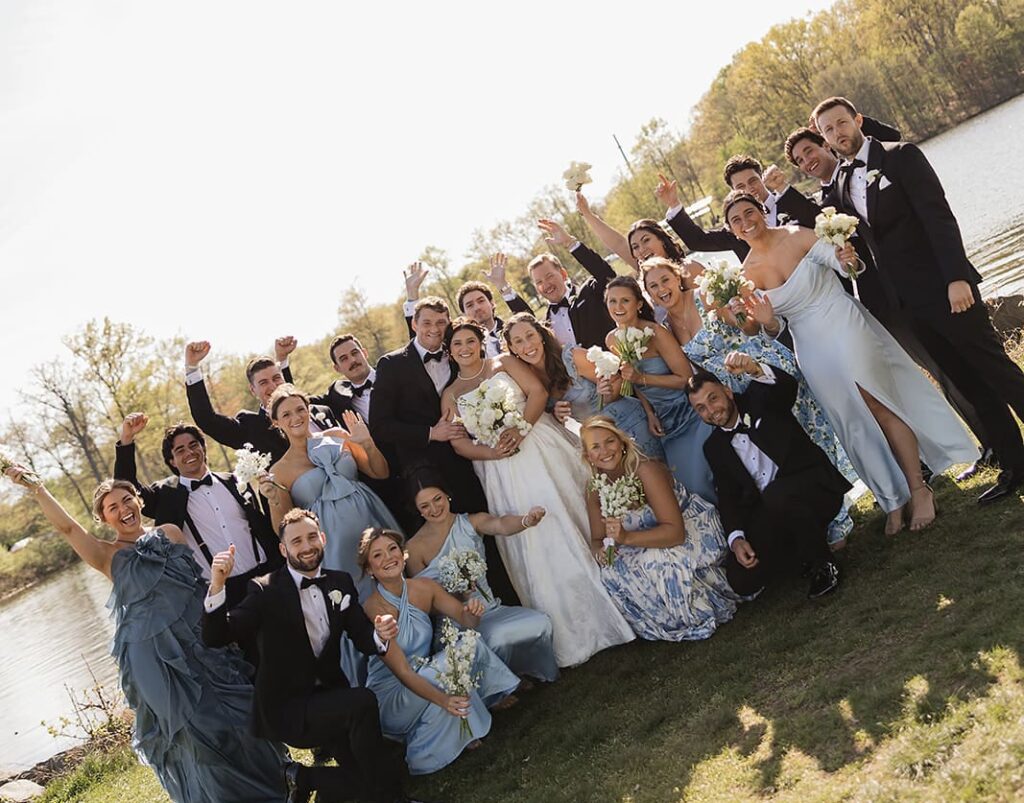
What Does a Wedding Coordinator Do?
A wedding coordinator typically joins the process closer to your wedding date. Every coordinator structures their services differently, some start 6 months out but the majority kick off 2-3 months before your wedding date. A quick word of caution: if a coordinator’s services don’t begin until two to four weeks before your wedding, you’re not really getting “day-of” magic. Instead, you’re getting a very fast crash course in your wedding. It takes time to learn the moving pieces, connect with your vendor team, and fully understand your vision. The best wedding-day execution starts well before the day itself.
Their primary role is to take the plans you’ve already made and ensure everything runs smoothly on the wedding day.
A coordinator may:
- Review your existing plans, including floorplans, contracts, etc.
- Confirm details with vendors, such as setup/access times,
- Create a final wedding day timeline
- Coordinate the ceremony and reception flow
- Manage vendor arrivals and setup of small decor items
- Handle day-of logistics and issues
In other words, a coordinator focuses on execution, while a planner focuses on both planning and execution.
Which Option Is Right for You?
A coordinator may be the perfect fit if:
- You’ve already booked most of your major vendors and feel good about your choices.
- You don’t mind keeping track of payment schedules, contracts, and vendor deadlines yourself.
- You’re comfortable being the main point of contact for your florist, photographer, caterer, DJ, and venue throughout the planning process.
- You know the difference between a ceremony timeline and a reception timeline and you’re willing to create both.
- You’ve already figured out logistics like transportation, hotel blocks, floor plans, and rain plans.
- You mostly want someone to step in during the final weeks to confirm details and run the wedding day.
A real-life example from a Locke Events couple: You already have your venue, photographer, florist, entertainment, and caterer booked. You’ve built a planning spreadsheet that would make a project manager proud, and you just want someone to take the reins on wedding day
A planner may be a better fit if:
- You’ve spent three hours researching photographers and somehow ended up more confused than when you started.
- Every venue tour leaves you with ten new questions and no clear answers.
- You don’t know whether your budget is realistic for the Philadelphia wedding market.
- You’re comparing contracts and wondering, “Wait… is this normal?”
- You’re planning a wedding from out of town or coordinating guests traveling for your wedding weekend.
- You and your partner both work demanding jobs and don’t have hours each week to dedicate to planning.
- You’re envisioning multiple locations, custom design elements, cultural traditions, or a guest experience that requires additional coordination.
- The thought of managing a dozen vendors, dozens of emails, and hundreds of decisions sounds more stressful than exciting.
A real-life example from a Locke Events couple: You’re recently engaged, have no idea what vendors should be booked first, and every Google search gives you a different answer. You’d rather have an expert guide you through the process than spend your engagement becoming one.
At the end of the day, both planners and coordinators play valuable roles.
A coordinator helps bring your plans to life. A planner helps create those plans, guide the process, solve problems, and make the entire experience feel less overwhelming.

My advice: Think less about what you should hire and more about how you want to feel during your engagement.
If you’re excited to manage the details yourself and simply want someone to take over at the finish line, a coordinator may be exactly what you need.
But if you’d rather have a trusted expert helping you navigate decisions, avoid costly mistakes, and enjoy the process along the way, investing in a planner can be one of the best decisions you make.
After all, your wedding is more than one day, it’s an entire season of your life. You deserve to enjoy it.